
This weekend, all eyes turn north to New England.
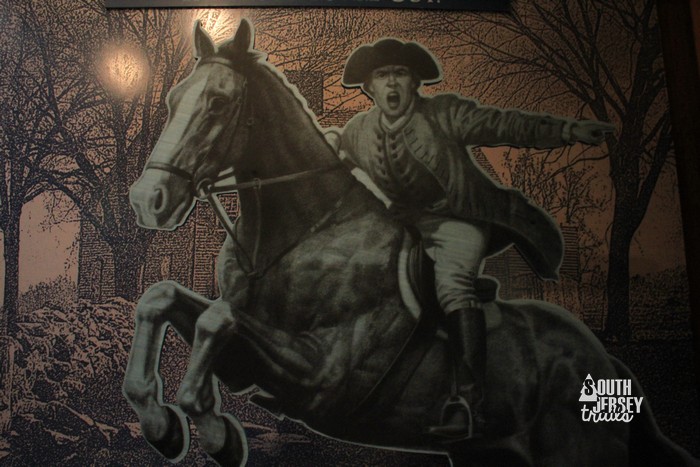
Tonight marks the 250th anniversary of Paul Revere’s famous ride (not forgetting William Dawes and Samuel Prescott)! While he didn’t really yell, “The British are coming!”, he warned the colonists that the British army was on its way to seize their arms and capture their leaders.
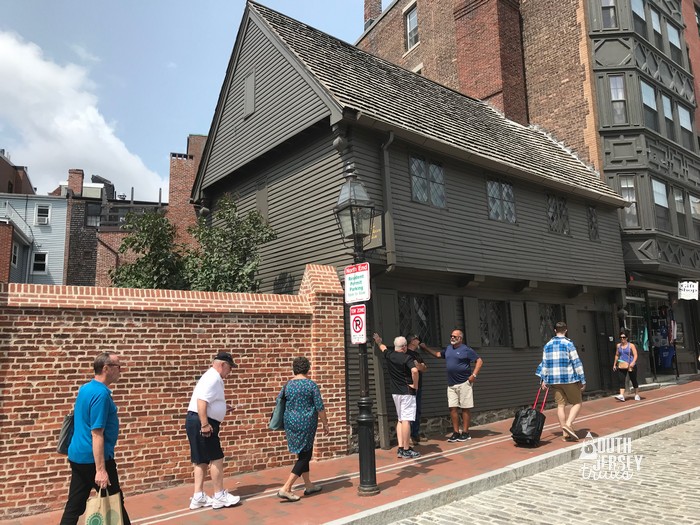 Paul Revere House – Boston
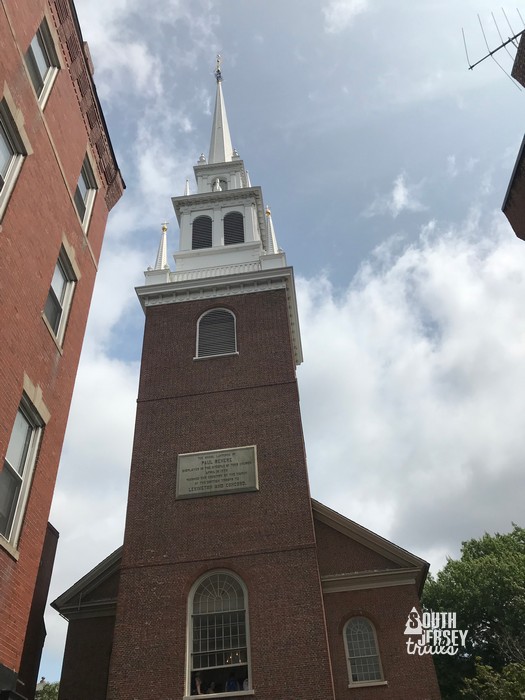 The Old North Church, where the signal lanterns were placed. One if by land, two if by sea. Boston, MA.
That army was also on its way to a historical turning point, as tomorrow marks the 250th anniversary of the “the shot heard around the world” at the Battle of Lexington, the first battle of the American War for Independence. It went badly for the Americans, but by the end of that day, the things had gone very badly for the British army. They barely made it back to Boston, where they would be bottled up for months by an army of colonial “Minute Men” that surrounded that city.
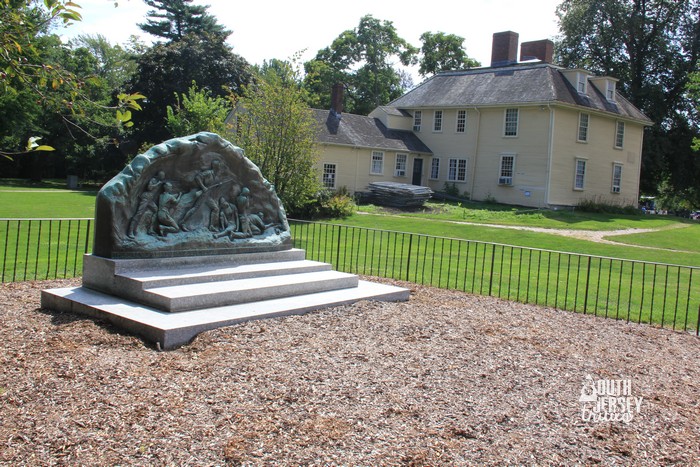 The tavern where many in the Lexington Militia waited at for the British army to arrive.
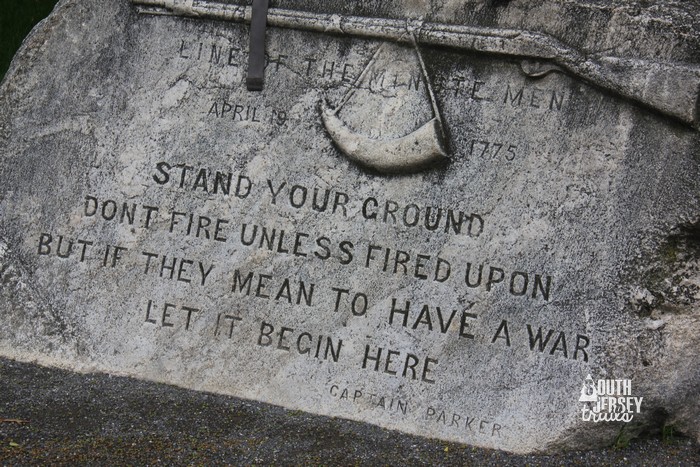 On Lexington Green, location of the “Shot Heard Around the World” that began the American War for Independence (or the Revolutionary War).Roughly 80 men of Lexington stood their ground long enough for the British to attack, some 700 of them. Eight colonists died that morning with nine more wounded.
Among the wounded was Price Estabrook, an enslaved man. He recovered and served in the army for much of the war, returning home afterwards as a free man.
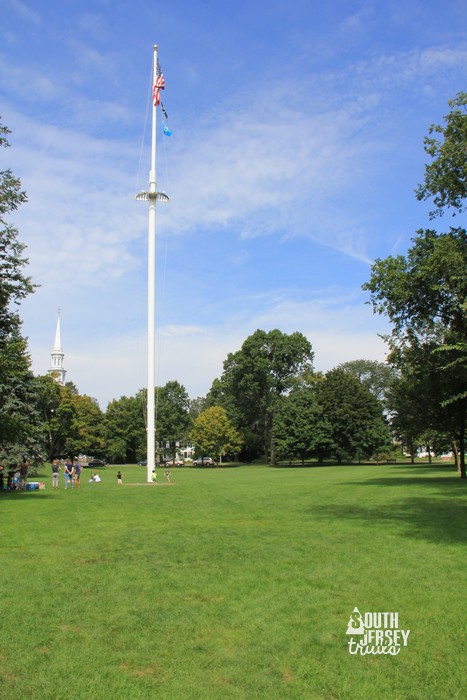 Lexington common, or Lexington Green, where the first battle took place April 19, 1775.
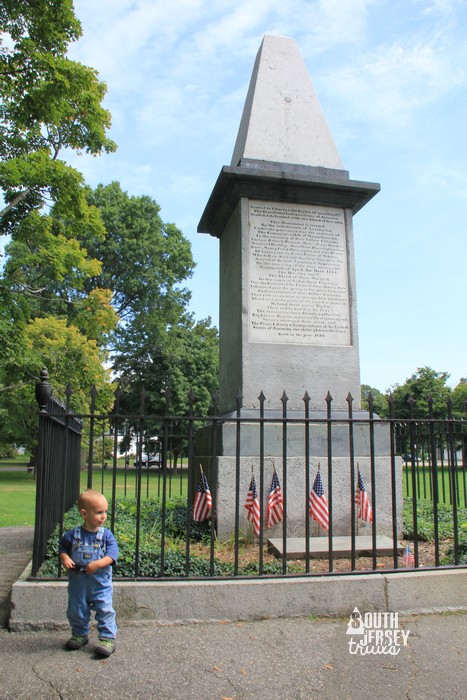 Remains of the eight men who died from bullet and bayonet in the first clash of the war at Lexington. Also, The Pres was so young!
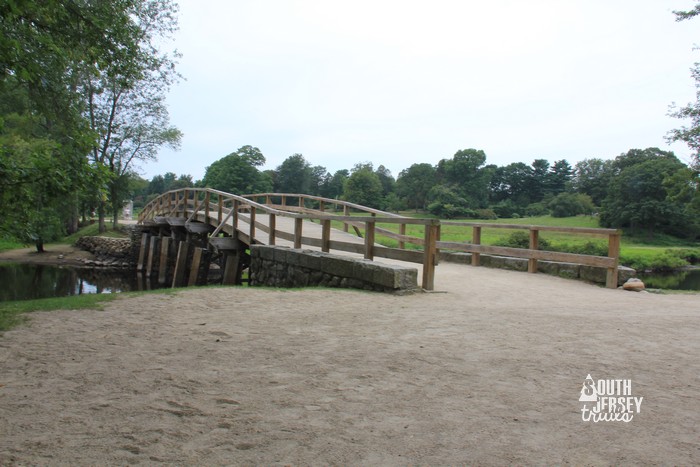 Later in the morning, a second clash occurred at Concord Bridge. This went much less well for the British, and they decided to quickly head back to Boston.
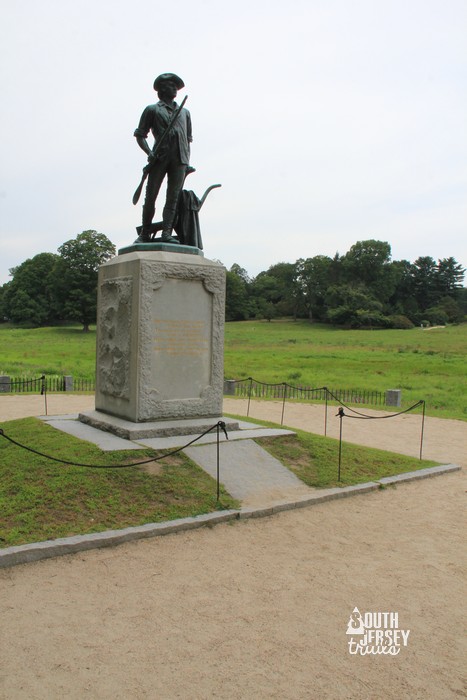 Minute Men were colonial militia who promised to be ready at a minute’s notice to leave their plows to fight.
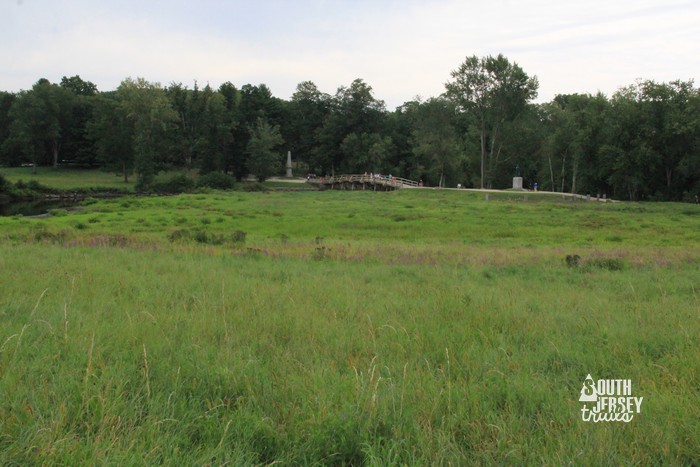 Concord, Massachusetts.
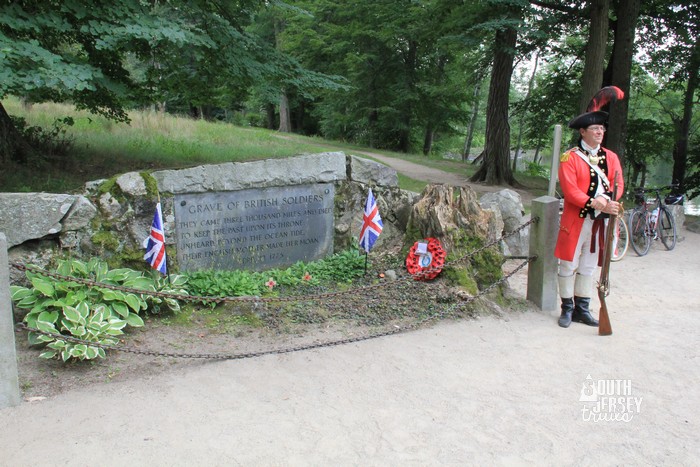 The British soldiers who died at Concord.
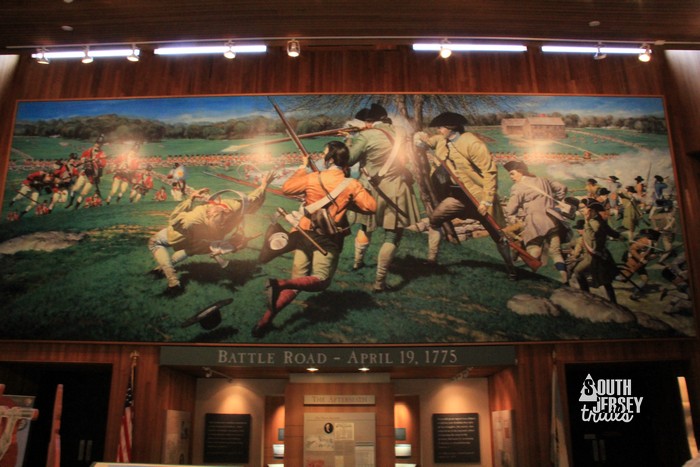 A running battle of ambushes for 18 very long miles between the British army and the colonists, who were swarming in from Massachusetts, but also as far away as New Hampshire and Rhode Island by the day’s end. If not for reinforcements sent by the British General Gage, the redcoats might not have made it all the back to Boston.
This army of “Minute Men” would become the beginning of the Continental Army that George Washington would arrive to command in a few short months later.
Reenactments, commemorations, and memorials will fill this weekend up in New England and all around the USA. The events this weekend are all just a start of something that will be taking place all over the country over the next eight years. New Jersey saw more battles during the Revolutionary War than any other colony, so there will be a lot of commemorations and events occurring close to home. And, of course, there will be a special birthday party – July 4, 2026 – whose epicenter will be in Philadelphia, Pennsylvania.
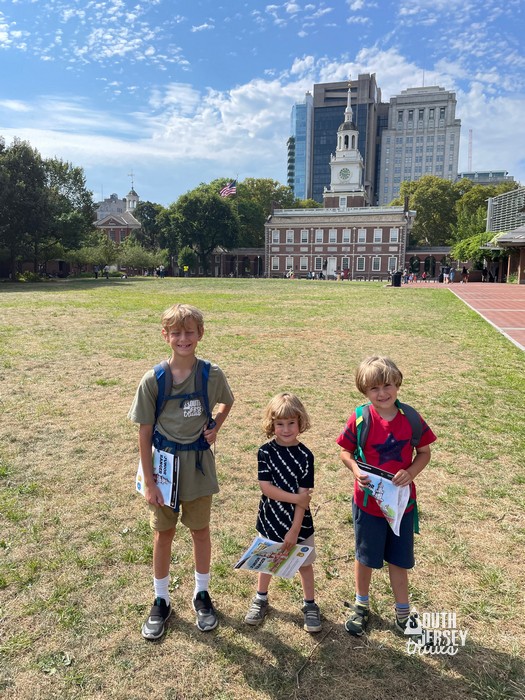 Independence Hall, Philadelphia, Pennsylvania.
But we aren’t there yet, we are just at the beginning. This weekend, take a moment to think about the farmers and shopkeepers and the like of Massachusetts, perfectly ordinary people who decided to stand up against one the strongest armies in the world. They were everyday people who made a choice to try to help do something big, people who the United States of America owes its very existence to.
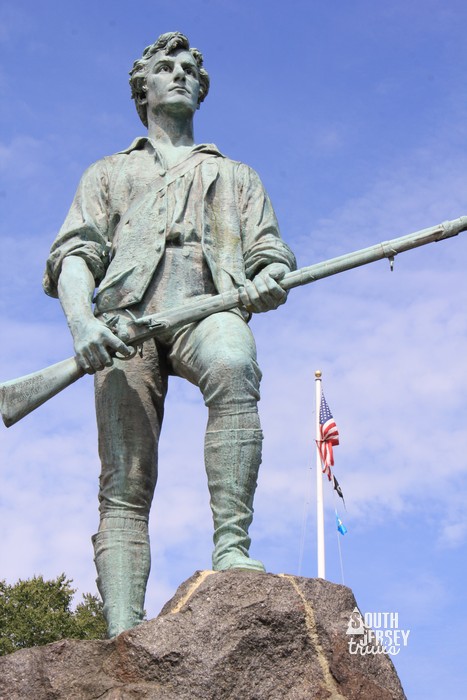 Most of them probably not looking as stoic as this fellow is.
Tonight, think about leaving two lanterns out for Paul Revere’s ghost, in case he strays a little farther from his usual path for the occasion.
Some local New Jersey spots to visit:
Red Bank Battlefield -Gloucester County – site of 1777 battle between the Continental Army and Hessian mercenaries fighting for the king.
Battle of Gloucester – Camden County – 1777 skirmish that gave the Marquis de Lafayette his first battlefield command experience. I should make a post on this at some point with photos along the battle route, but I highly recommend the book The Battle of Gloucester 1777 by Gary Wheeler and Paul Schopp. You can get this many places online, but I recommend going to Second Time Books in Mount Laurel, who keep copies in stock.
Washington’s Crossing State Park – Mercer County, NJ – New Jersey half of the famous site where George Washington’s army crossed the Delaware to deliver a little “Christmas present” to the Hessian soldiers at Trenton. Drive across the bridge to the Pennsylvania side too, which has some great exhibits and old buildings.
Princeton Battlefield State Park – Mercer County, NJ – No post on this one, but it’s in my book Best Day Hikes in New Jersey (2nd Edition) by Pricilla Estes and myself put out by the Appalachian Mountain Club (link takes you to bookshop.org, but appreciate anyone who goes and orders this from your local bookstore!).
Monmouth Battlefield State Historic Park – Monmouth County – 1778 and the last great battle in the northern colonies, where George Washington’s army chased the redcoats and Mary “Molly Pitcher” Ludwig Hayes gained immortality (although she certainly was not the only Molly Pitcher in the war)
The Haddonfield Skirmish – Camden County – a great, if fictional, reenactment that takes place each year in Haddonfield. Always a really nice day.
And many, many, many more!
Want to learn more?
I strongly recommend The Day the American Revolution Began 19 April, 1775 by William H Hallahan (2001).
Want your kids to learn more?
John, Paul, George, and Ben by Lane Smith (2006) is an adorable picture book. Even if that big underwear lady is still mad.
Who Was Paul Revere? by Roberta Edwards (2011) is a slightly longer and more serious take on it that’s great for the 3rd to 5th Grade crowd, even if the cover with the big head makes me crazy.


